


What is a cyber attack, and how does it affect the nation?
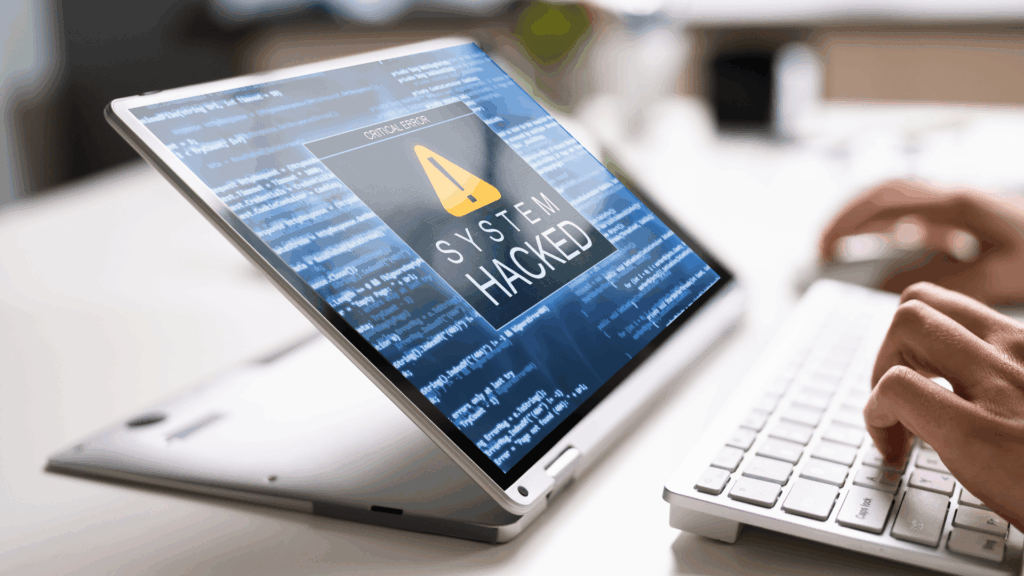
Cyber attacks can sometimes be one of the major nightmares in today’s digital space. They are unauthorized means to access, disrupt and damage computer systems, networks, or data. And that can target any of the persons, organizations, even the entire nation. Mind Spark Technologies has come up with this blog about what cyber attacks are, and what affect it carries to a nation. Cyber Attack A cyber attack refers to an activity that fraudulently exploits the security, functionality, and data of digital systems. Most cybercrime hackers use hacking techniques, phishing, malware attacks, ransomware, and Distributed Denial of Service, or DDoS. Their goals might include stealing sensitive information, creating disorder, financial damage, and spreading fear. This may include attacks on government systems, financial institutions, healthcare networks, and even infrastructure such as energy grids or transportation. Because of the reach of its proliferation, technology has made something as personal as personal security become an issue of national security concern for an organization. How Cyber Attacks Affect a Country When a cyber attack hits a country, its impacts will have reverberations touching all domains in society, the economy and even international politics. These include: 1. Attacks on government systems involving the threat of sensitive information regarding national defense plans, classified data, and national security secrets through hackers’ access to intelligence exposing the country to risks from other potential threats or terrorists. 2. Disruption of Critical Infrastructure In most countries, their infrastructures are computerized; these systems include energy supplies, the water supply system, transportation and communication. Cyber attacks could potentially shut down these systems bringing the outcome of power cuts, disturbance in services, and surge in chaos throughout the whole country. 3. Economic Losses Cyber attacks can lead to severe damage to the economy of a nation. Businesses that have been hacked may lead to loss of money to fraud, downtime or reputation damage. Second, governments will cost effort due to cyber defense as well as recovery efforts in place. In this case, it might mean that an organization pays millions to recover from the ransomware attack on data. 4. Impact to Public Trust Repeated or devastating cyber attacks could also make the citizens doubt the government and its amenities. For instance, whenever there is hacking into considerable levels of personal information pertaining to their health or financial activities, they may fear opening access into the Internet. 5. Political Impact Cyber attacks often are associated with geopolitics. The state-sponsored attack can target the spying on a rival nation or even an attempt to disrupt elections or interfere with some diplomatic process. This is a strain in international relations that eventually may turn into a political conflict. Why Nations Need Strong Cyber Defense : With the increased connectivity in the global world, it is no longer optional to protect against cyber attacks. The world needs to make critical investments in advanced cybersecurity to save digital infrastructure and citizens from devastating attacks. Cybersecurity policies shall comprise of: Strong Policy: Governments should make regulations to combat cybercrimes and advocate for safe use in digital activities. Advanced Technology: AI and machine learning are implemented to assist the country in detection of cyber threats and improved response to it. Public Awareness: Cyber security education of citizens and organizations will prevent phishing scams, malware, or weak passwords. Global Collaboration: Cyber threats are not bound by geographical location. International cooperation will make nations share intelligence and work against every threat. Cyber attacks are dangerous for individuals, businesses, and nations. Their impact goes beyond mere technical disruptions. It can hurt the economy, compromise national security, and even destabilize a society. To respond to this emerging threat, government, business, and private individuals have to collaborate and place cybersecurity at the top of their agenda. At Mind Spark Technologies, we do believe in sharing insights like this on such critical matters to keep you informed and prepared in today’s world of digital.
What Is Cybersecurity and How Can You Make a Career Out of It
Cybersecurity can be regarded as the protection of computers, servers, networks, and data from unauthorized access, theft, or damage. Cybersecurity is a very broad and integrated range of technologies, processes, and practices that were developed to protect sensitive information from cyberattacks, such as hacking, malware, and phishing scams. With the rapid increase in digitization in everyday life, the demand for cybersecurity experts is extremely huge. This career in cybersecurity can turn into a fulfilling yet challenging profession where one could save many individuals and companies from cyber threats. Mind Spark Technologies brings you this blog to provide all the essential details about cybersecurity and how to build a career in this field. Why is Cybersecurity Important? Many things related to the modern digital world are connected to the internet-from banking and shopping to communication and storing personal information. There is a massive amount of sensitive data stored online by businesses and governments, making them vulnerable to hacking. Such an attack may bring about huge financial losses, identity theft, and reputational damage to the company. Cybersecurity would therefore be very essential in preventing such incidents and preserving both personal and organizational data. The Career Path in Cybersecurity If you are interested in having a career in cybersecurity, then here is what you need to do: 1. Get the right education Many companies tend to recruit people holding computer science, information technology, or cybersecurity degrees. A bachelor’s degree in any of these fields is a stepping stone, but remember that it is a very broad, fast-evolving field, and constant learning is required. You can fill in formal education with online courses, certifications, and hands-on experience. Some other relatively well-known cybersecurity certifications include: CompTIA Security+: good for beginners, covering basic security concepts. Certified Ethical Hacker (CEH): This is about the techniques by which hackers can enter the systems without being perceived. Certified Information Systems Security Professional (CISSP): More for those who have been in the job for some time, because of the deep level of security experience in their specialization. 2. Key Technical Skills To become an expert in cybersecurity, you need to build a strong key set of technical skills. Key technical skills are: Network: you must understand how the networks work to be able to defend them. Penetration Testing: You pretend to launch cyberattacks and find vulnerabilities in systems. Encryption and Cryptography: These are capabilities that would be helpful in securing data from unauthorized access. Incident Response: Knowing the way to respond and mitigate the harm caused by cyber attacks. Other knowledge of programming languages like Python and Java would be added advantage, particularly through automation and development of security-related tools, but not strictly necessary. 3. Hands on Experience Hands-on experience is also important in cybersecurity. Begin with an entry-level job in IT support, networking, or systems administration to learn the ins and outs of how systems are managed and protected. Working on entry-level positions and internships in any cybersecurity teams allows for hands-on experience handling security issues. Your participating in cybersecurity competitions such as CTF challenges also helps you by training yourself in practicing your skills and gaining recognition in the field. 4. Cybersecurity Trends CYBR SCH 571 Cybersecurity is an ever-evolving field, and one needs to stay up to date about emerging threats and technologies. You may subscribe to industry blogs, participate in online communities, or attend conferences/webinars to keep abreast of the latest developments in this field. Personal Qualities Required in Cybersecurity Apart from technical skills, the most effective cyber security professionals often share some personal qualities: Attention to detail: It is often the small mistakes that create gigantic vulnerabilities. Problem-Solving Skills: Cybersecurity is the ability to identify ways in which to avoid and resolve security problems. Ethics: Good ethics are critical as it holds the position of sensitive information when processed by the cybersecurity professional Curiosity: A willingness to continue learning and understanding new attack methods is a key component. Cybersecurity is an extremely rapidly growing field with ever increasing requirements for well-educated professionals. This area allows you, with proper education and technical skills as well as hands-on practice, to build a rewarding career, protecting digital systems from cyber threats. For those coming from another area of expertise, cybersecurity can offer opportunities for continuous growth.
Securing your Online Business With https

Online business is an activity, where you can perform sell or trade online. It is also referred to as E-COMMERCE, by which buying and selling of goods and services, the transmitting of funds or data, through an electronic network(INTERNET). The transaction flow occurs as, B-B: Business to Business B-C: Business to Consumer C-C: Consumer to Consumer C-B: Consumer to Business Today security is one of the important aspects of online business. Attackers and hackers find a way to hack your website and extract valuable business data from your database. So it is important to maintain a secured online business. If you are planning to run an online business, then you should be aware of HTTP and HTTPS. HTTP: HyperText Transfer Protocol HTTPS: HyperText Transfer Protocol with SECURE SOCKETS Are you really worrying about your online data, due to the activities of attackers on your website including stealing of data, viewing of confidential details, etc.? What if you feel, when you are protected by an extra layer that will challenge the attackers. Adding SSL to your website helps to provide an extra security layer to your website. What is HTTPS? HTTPS is identical to HTTP, where HTTP send data as a plain text and it will mainly focus on accessing HTML page to present information to the users and it transmits information without caring about the previous session.While https encrypts and decrypts the data sent and received using Transport Layer Security Protocol with data integrity, encryption, and authentication. Benefits of adding SSL on your website: Enable secure communication between browser and server Protect user’s sensitive information Allows user to complete a successful transaction of data and funds Increase user’s trust and confidence on e-commerce Ranking benefits It prevents tampering by third parties Available at lower cost and allows to manage multiple websites under single certificate.Mind Spark Technologies is a leading Web and Mobile Application developmentcompany in Coimbatore. We focus on the security of data for online business. Mind Spark Technologies helps to add SSL certificate to make the website work with https for secure transactions.
How to protect your website from Hacking?

Hacking is mainly done through the automated script. It is important to protect a website from hacking.If your website is not secured, then it will be hacked easily. The following are the steps to be followed to prevent your website from hacking attempts, Update the code and software: If you are using any third party software or CMS for your website, then it is necessary to check for new updates periodically. Because outdated scripts are easy to hack. Database protection: The database is the main part of every website. SQL injection is a part of the hacking attempt which is popular nowadays. If your website is having the form by which the users enter the data, the attackers may insert malicious code and submit it. If the form does not have proper validation then it is the way to hack the database and the whole website. Do not allow auto-fill option in the form. Assign the proper privilege for database users, change the passwords frequently. If any file upload option is there on your website, it is mandatory to have proper validation. User Credentials: Make your website username and passwords to be stronger. Do not use manually generated password instead, use password generator. The password length should have a minimum length of 12 characters. The website name or a person name is to be avoided in the username field because the attackers can guess the username easily. Do not share your website credentials with anyone other than required. Always be careful with the Files and Folders permission levels. Hide the admin pages from the user end. Customize the login URL. Frequent backup: Backup your website frequently, so that if the malware attack or any other issues happen to the website, you can restore the website with the help of backup files. SSL Certificate: It is good to install SSL certificate for your website, if any personal information is shared on the website or if it an e-commerce website, card details, user credentials are stored. SSL certificate is mandatory for that kind of websites. Mind Spark Technologies is a leading Web and Mobile App Development company which helps clients to protect their websites from various attacks. We develop websites following all the Security standards. Mind Spark Technologies not only build your website but also helps in hosting, SSL Certificate installation and automated backup.